Zanzibar’s history is a deep and complex fusion of African, Arab, Indian, and European influences, making it a cultural crossroads for centuries. Its strategic location on ancient trade routes made it a powerful center for the spice trade (especially cloves) and, tragically, the slave trade.
In the 19th century, it was the seat of the Sultans of Oman, whose legacy is etched into the very stones of its capital. This period saw the construction of grand buildings and the consolidation of its role as a major trading port. It later became a British Protectorate before gaining independence in 1963.
In 1964, it merged with Tanganyika to form the United Republic of Tanzania. Today, Zanzibar is a semi-autonomous region, offering a unique identity within Tanzania. The archipelago consists of two main islands, Unguja (commonly referred to as Zanzibar) and Pemba, along with numerous smaller islets.
Zanzibar offers a perfect blend of cultural immersion and pure beach relaxation.
Explore Stone Town – A UNESCO World Heritage Site
A labyrinth of narrow alleys, bustling bazaars, and historic buildings, Stone Town is the cultural heart of Zanzibar.
Visit the House of Wonders: The former sultan’s palace, a symbol of Zanzibar’s rich history.
Wander the Old Fort: A massive stone structure that hosts local craft markets and cultural events.
Pay Respects at the Slave Market Memorial: A sobering and important site commemorating the island’s dark history.
Get Lost in the Forodhani Gardens Night Market: A foodie’s paradise, offering fresh Zanzibari pizza, seafood skewers, and local snacks at sunset.
Relax on World-Famous Beaches
Zanzibar’s coastline is legendary, with different areas offering unique vibes:
Nungwi and Kendwa (North): Known for their wide, white-sand beaches and dramatic low tides. Excellent for swimming, sunset dhow cruises, and vibrant beach bars.
Paje and Jambiani (Southeast): The kite-surfing capital of East Africa, with long, flat beaches and a more bohemian, laid-back atmosphere.
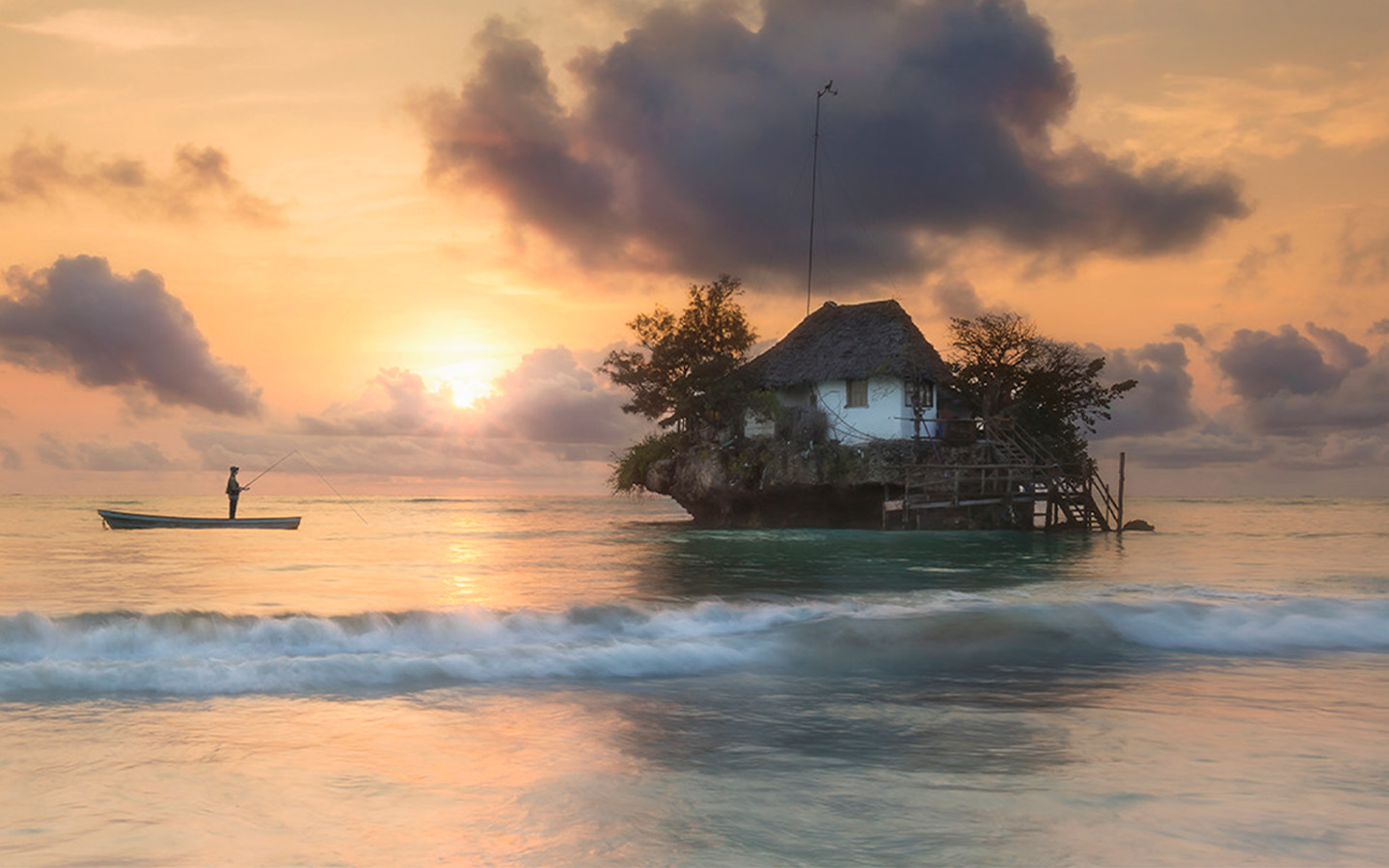
Michamvi (East): Offers more secluded coves and is famous for “The Rock Restaurant,” perched on a rocky outcrop in the ocean.
Embark on a Spice Tour
A sensory journey through a working spice plantation is a must-do. See, smell, and taste fresh cloves, vanilla, cinnamon, nutmeg, and black pepper, learning why Zanzibar earned its fragrant nickname.
Snorkel and Dive in a Marine Paradise
The clear, warm waters surrounding Zanzibar are part of a rich marine ecosystem.
Mnemba Atoll: A pristine marine conservation area offering some of the best snorkeling and diving in Tanzania, with chances to see dolphins, turtles, and tropical fish.
Prison Island (Changuu Island): Home to a colony of giant Aldabra tortoises and surrounded by a beautiful coral reef perfect for snorkeling.