Lake Manyara National Park has a rich history of conservation. The area, including the lake itself, has been a focal point for wildlife and humans for centuries due to its permanent water source. The lake is a shallow, alkaline soda lake, part of the larger Lake Manyara Basin.
The park was officially established as a Game Reserve in 1957 and then gazetted as a National Park in 1960, making it one of Tanzania’s older protected areas. Its creation was crucial for safeguarding the groundwater forests, wildlife corridors, and the lake’s vital ecosystem.
While relatively small, covering just 330 square kilometers (127 square miles), with the lake itself covering about 200 sq km, the park boasts an astonishing variety of habitats. These include the groundwater forest (fed by underground streams from the escarpment), open grassland, acacia woodland, and the expansive soda lake itself. This diversity supports a wide array of wildlife in a easily explorable area.
A game drive through Lake Manyara is a journey through ever-changing landscapes, each with its own unique wildlife.
The Famous Tree-Climbing Lions
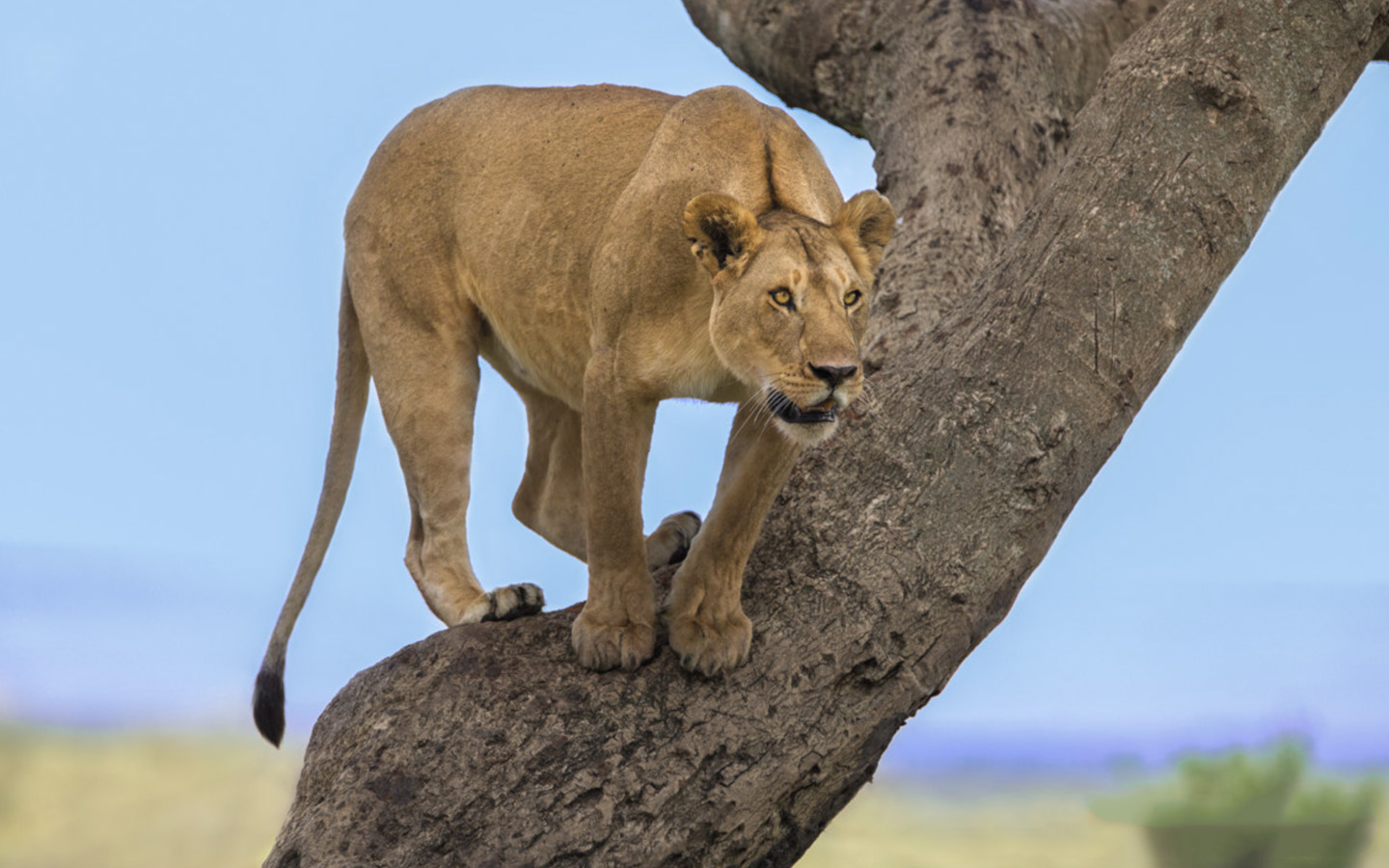
This is the park’s main claim to fame. Unlike elsewhere, the lions in Lake Manyara have developed a unique habit of resting high in the branches of acacia and sausage trees. While not guaranteed, spotting these majestic cats lounging in the canopy is a truly unforgettable sight and a photographer’s dream.
The Alkaline Lake and Bird Spectacle
The vast, shimmering Lake Manyara is a magnet for birdlife. It is home to thousands of lesser flamingos and greater flamingos, which often create a stunning pink haze along the shoreline. It’s also a key stop for many migratory waterfowl. The park boasts over 400 bird species, making it a premier birding destination.
Diverse Landscapes and Wildlife
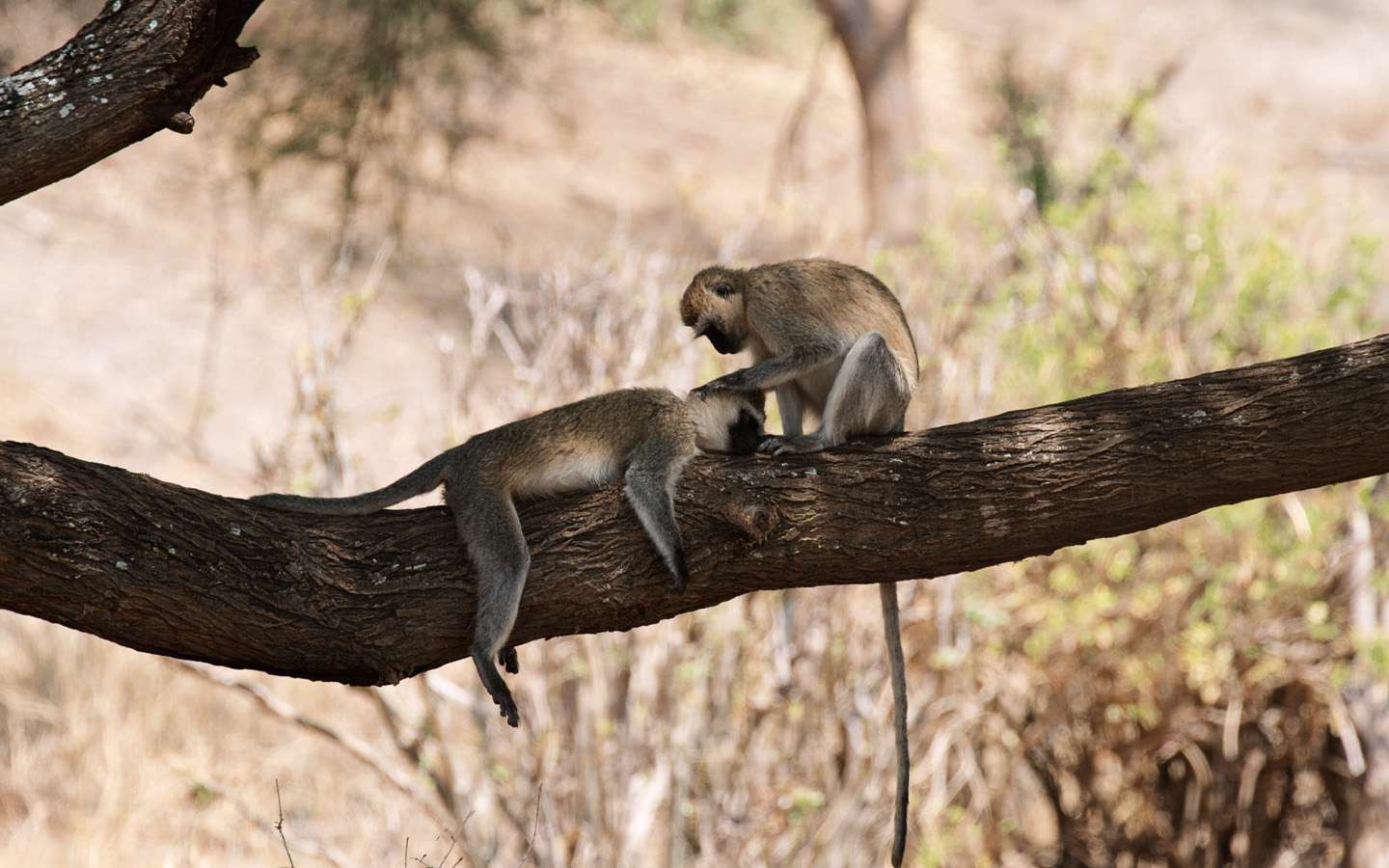
The Groundwater Forest: A lush, green canopy inhabited by troops of boisterous blue monkeys, shy bushbucks, and large troops of baboons.
Acacia Woodlands: The area where you are most likely to find the tree-climbing lions, as well as large herds of elephants, giraffes, and impalas.
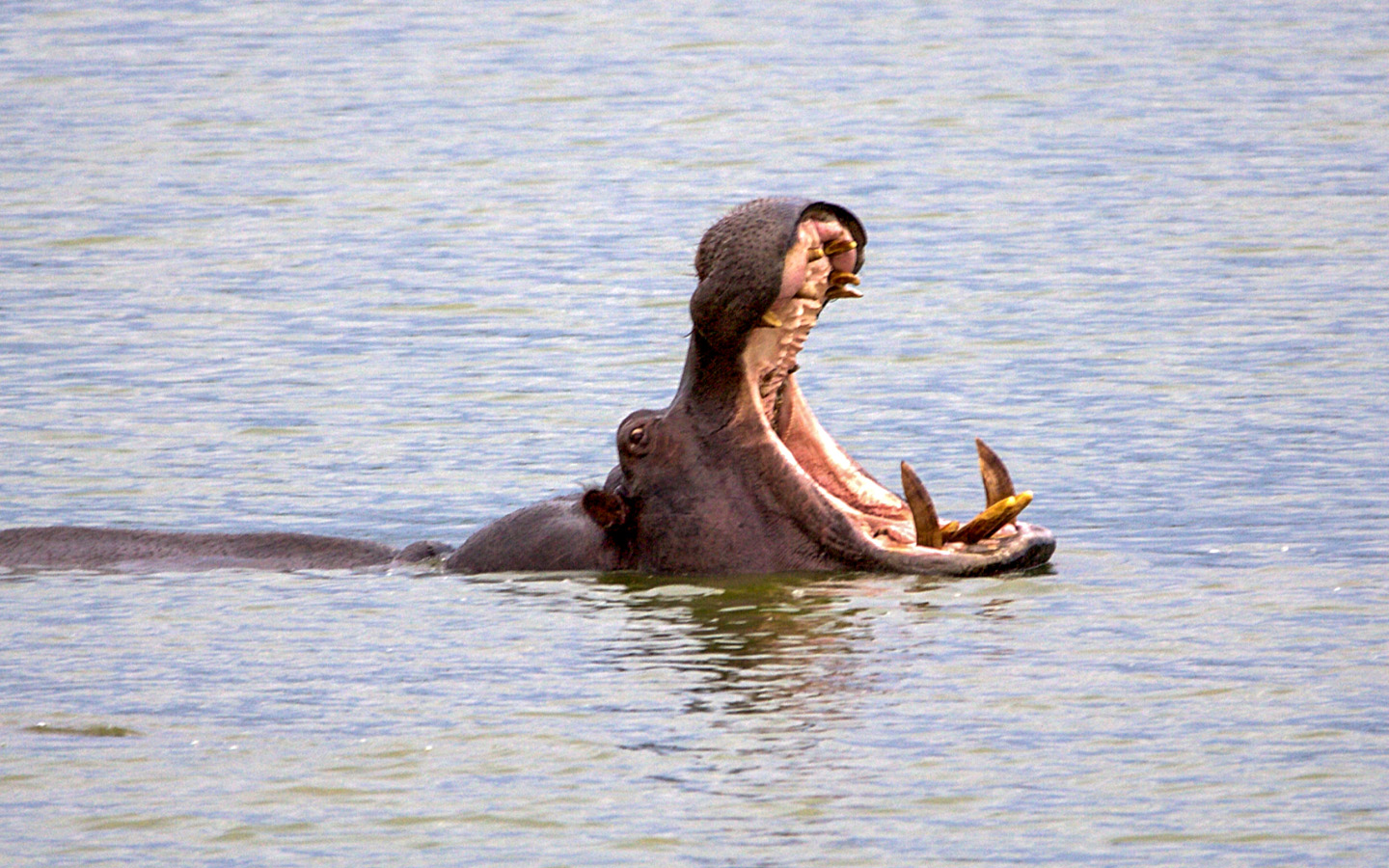
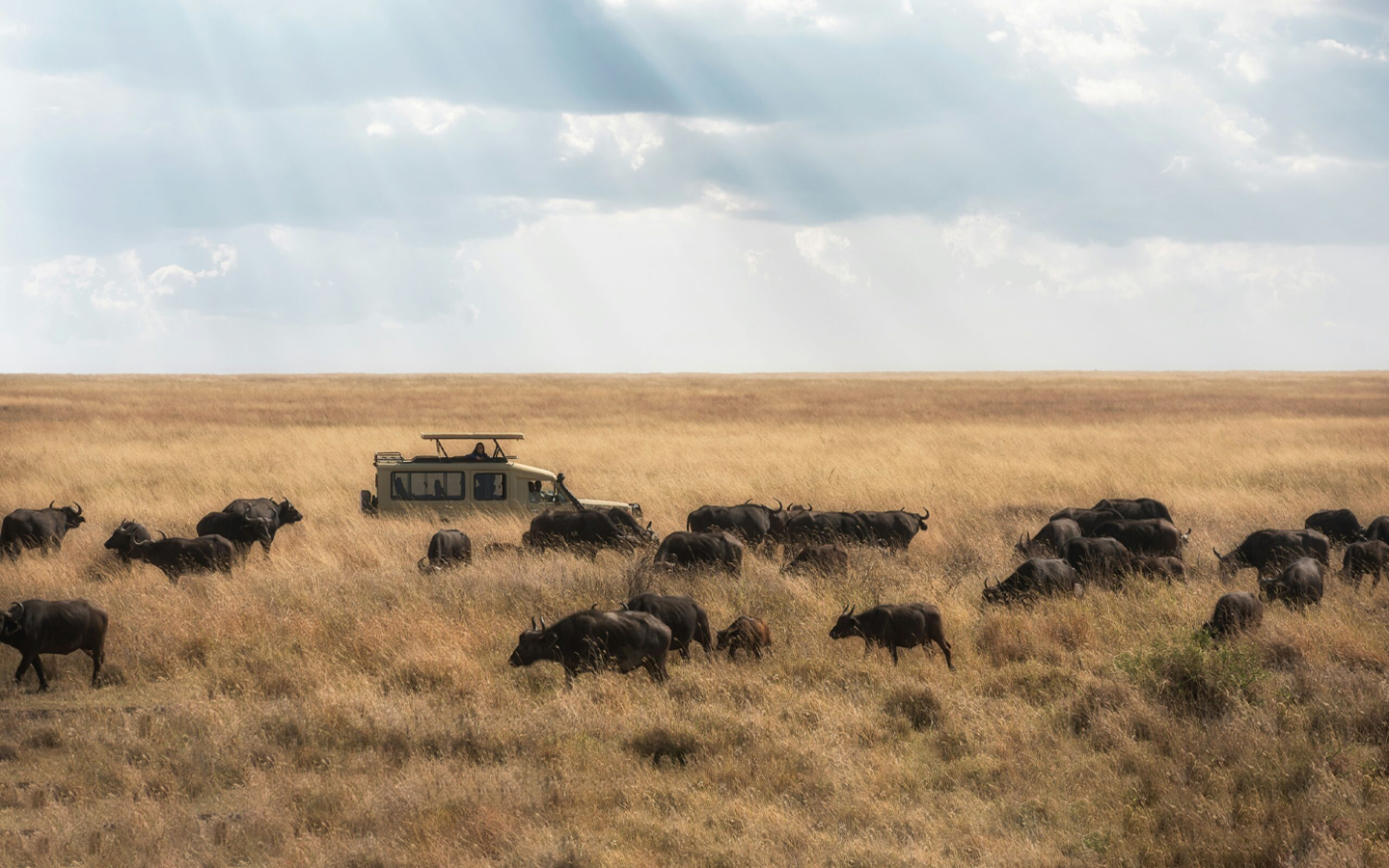
The Lake Shore: Offers spectacular views and the chance to see large herds of buffalo, hippos, and the vast flocks of flamingos.
Key Activities:
Classic Game Drives: A half-day or full-day drive allows you to traverse all the park’s diverse habitats efficiently.
Bird Watching: Simply one of the best parks in Tanzania for birding, with incredible diversity concentrated in a small area.
Canopy Walkway (Just Outside Park): For a thrilling perspective, the nearby Treetop Walkway offers a bird’s-eye view of the forest.
Cultural Tours (Outside Park): Visit a local Mto wa Mbu village to experience a vibrant, multi-ethnic community and its bustling market.