Arusha National Park has a layered history. The area was originally part of the homeland of the Meru and Maasai people. The core of the park, the Ngurdoto Crater, was initially established as the Ngurdoto Crater National Park in 1960.
Shortly after, in 1967, it was merged with the majestic Mount Meru and the tranquil Momella Lakes to form the present-day Arusha National Park. This consolidation created a uniquely varied protected area that showcases three distinct ecosystems within a relatively small space.
Covering just 137 square kilometers (53 square miles), it is one of Tanzania’s smaller parks, but its compact size is its greatest strength. It provides a stunning and convenient introduction to the Northern Safari Circuit, offering a rich taste of Tanzania’s natural beauty without the long travel times.
Arusha National Park is the ultimate park for active exploration and intimate wildlife encounters.
Explore the Ngurdoto Crater
Often called the “Little Ngorongoro,” this is a shallow, swamp-filled crater. While vehicles cannot descend to the floor, the surrounding forest road offers spectacular viewpoints from the rim. From here, you can look down and spot herds of buffalo, elephants, warthogs, and baboons.
Canoe Safari on Momella Lakes
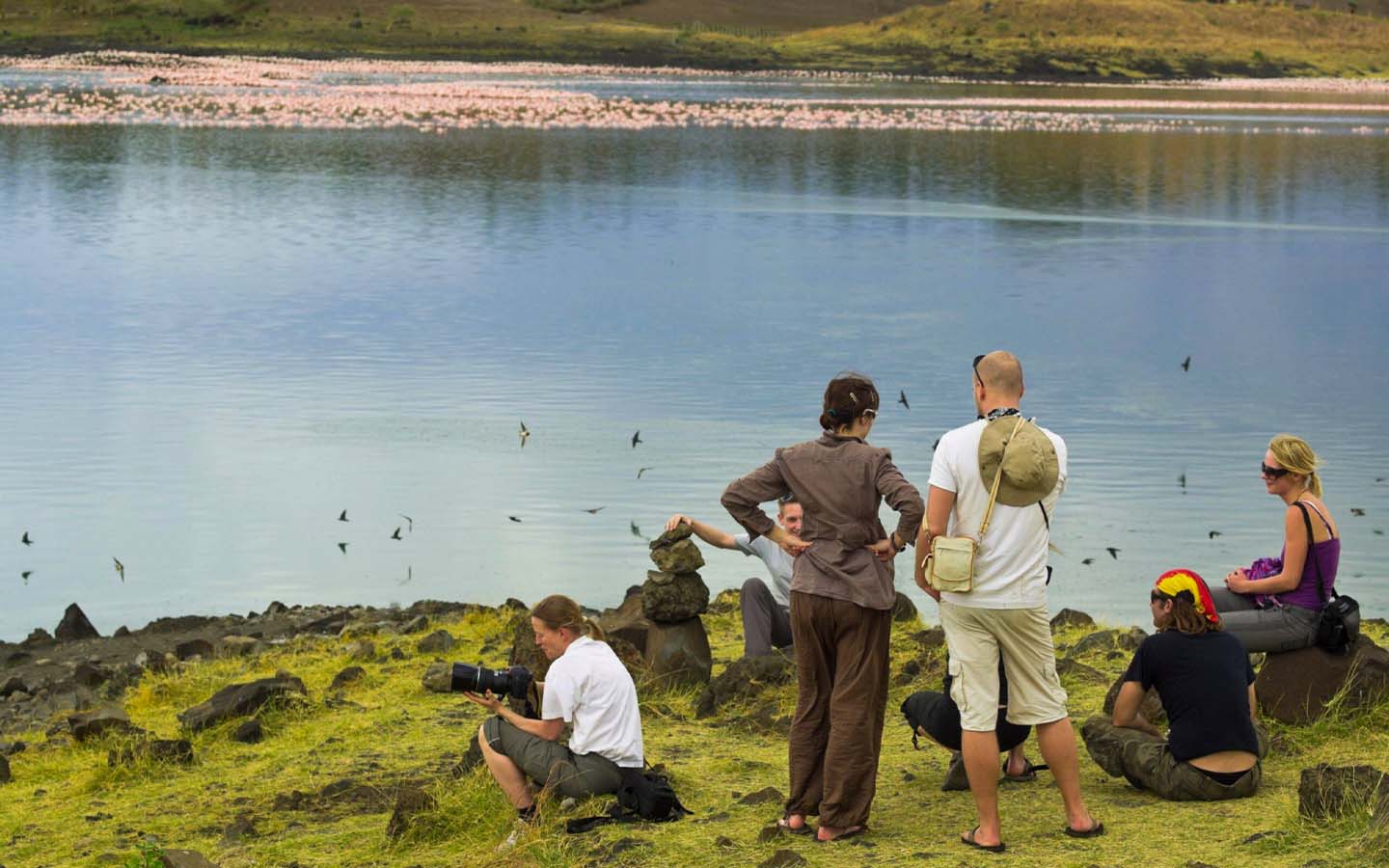
This is one of the park’s most unique and unforgettable experiences. A silent, guided canoe trip on one of the alkaline Momella Lakes allows you to glide past flocks of flamingos, waterbuck, giraffes coming to drink, and hippos basking in the shallows. The views of Mount Meru and, on a clear day, Kilimanjaro from the water are simply breathtaking.
Hike the Slopes of Mount Meru
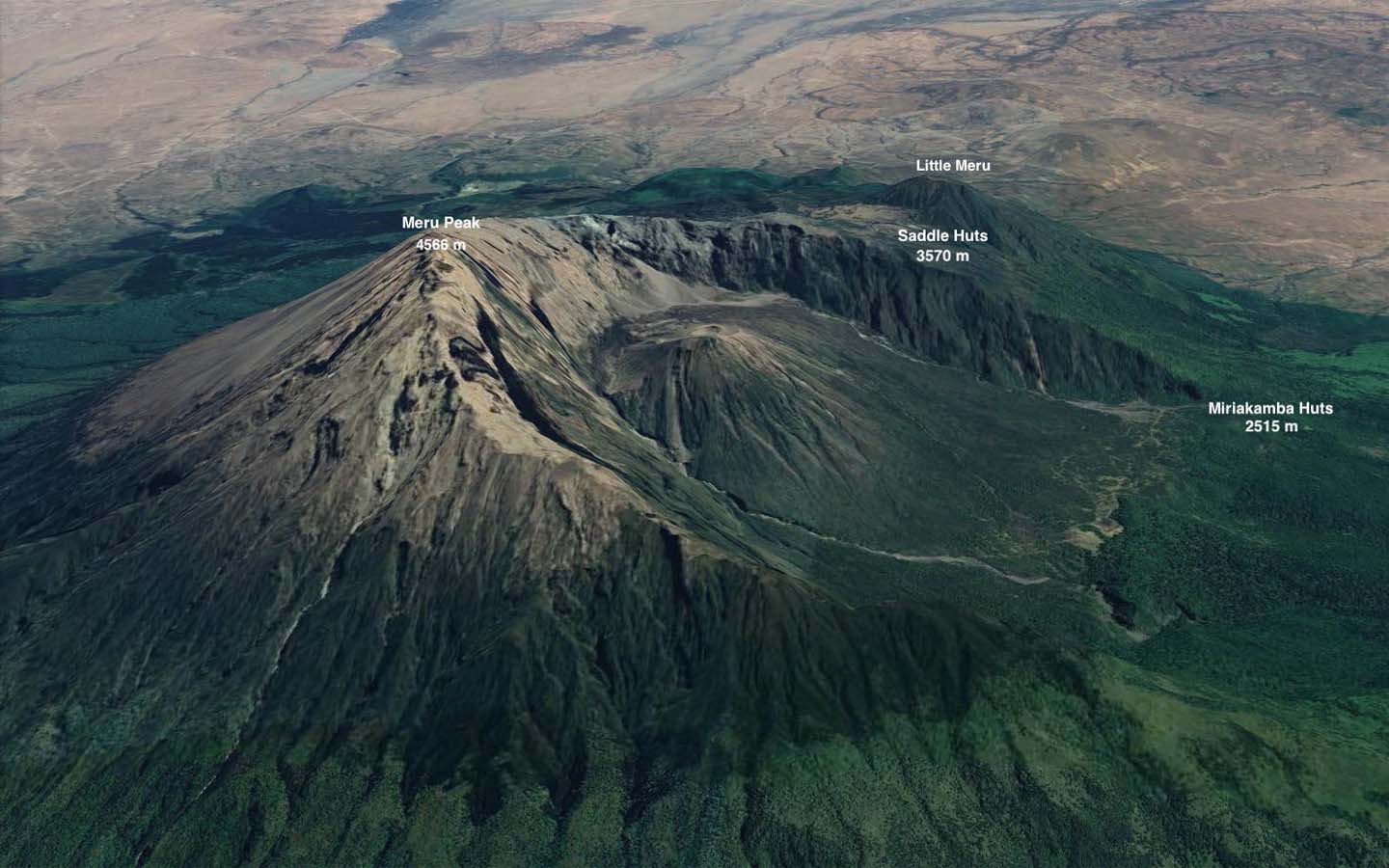
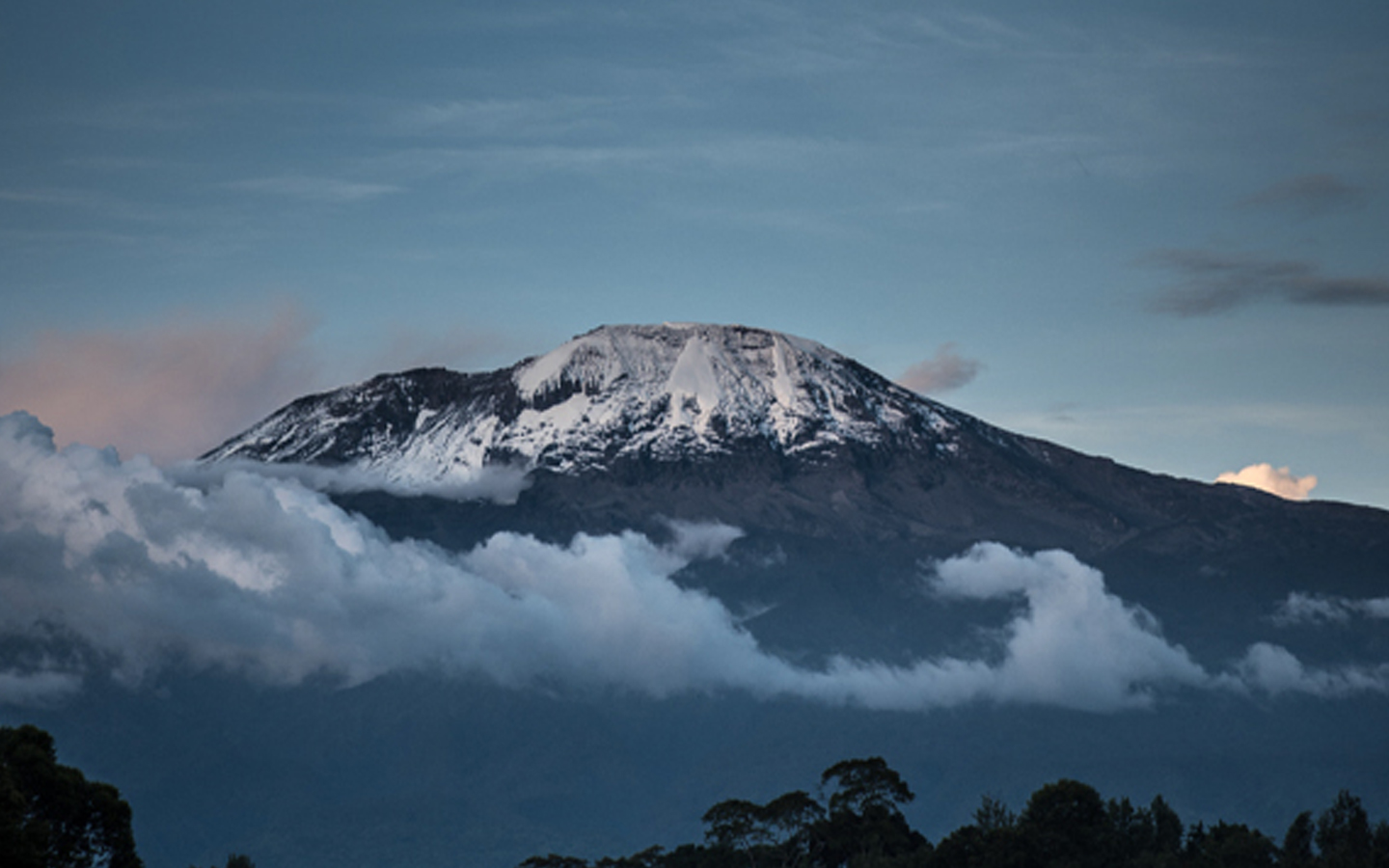
As Tanzania’s second-highest peak at 4,566 meters (14,980 feet), Mount Meru is a world-class hiking destination. A multi-day trek up its fertile slopes takes you through montane forest teeming with wildlife, including colobus monkeys, tropical birds, and even the occasional elephant or buffalo. The summit climb is challenging but incredibly rewarding, offering a spectacular view of Kilimanjaro at sunrise.
Wildlife Viewing
While you won’t find lions in great numbers (they are rare and elusive here) and there are no rhinos, the park is home to a rich array of other species:
Giraffes: Large herds of Masai giraffe.
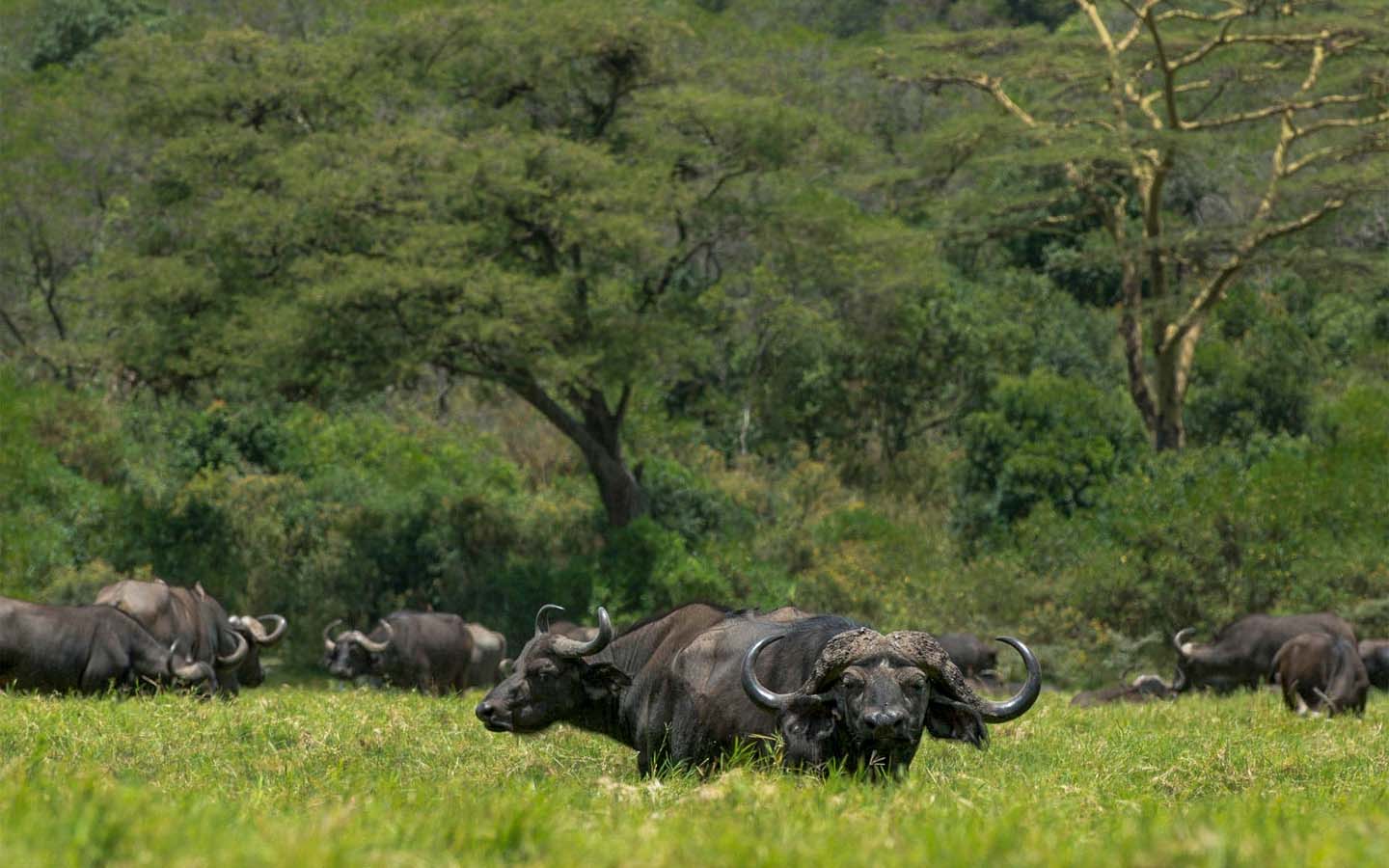
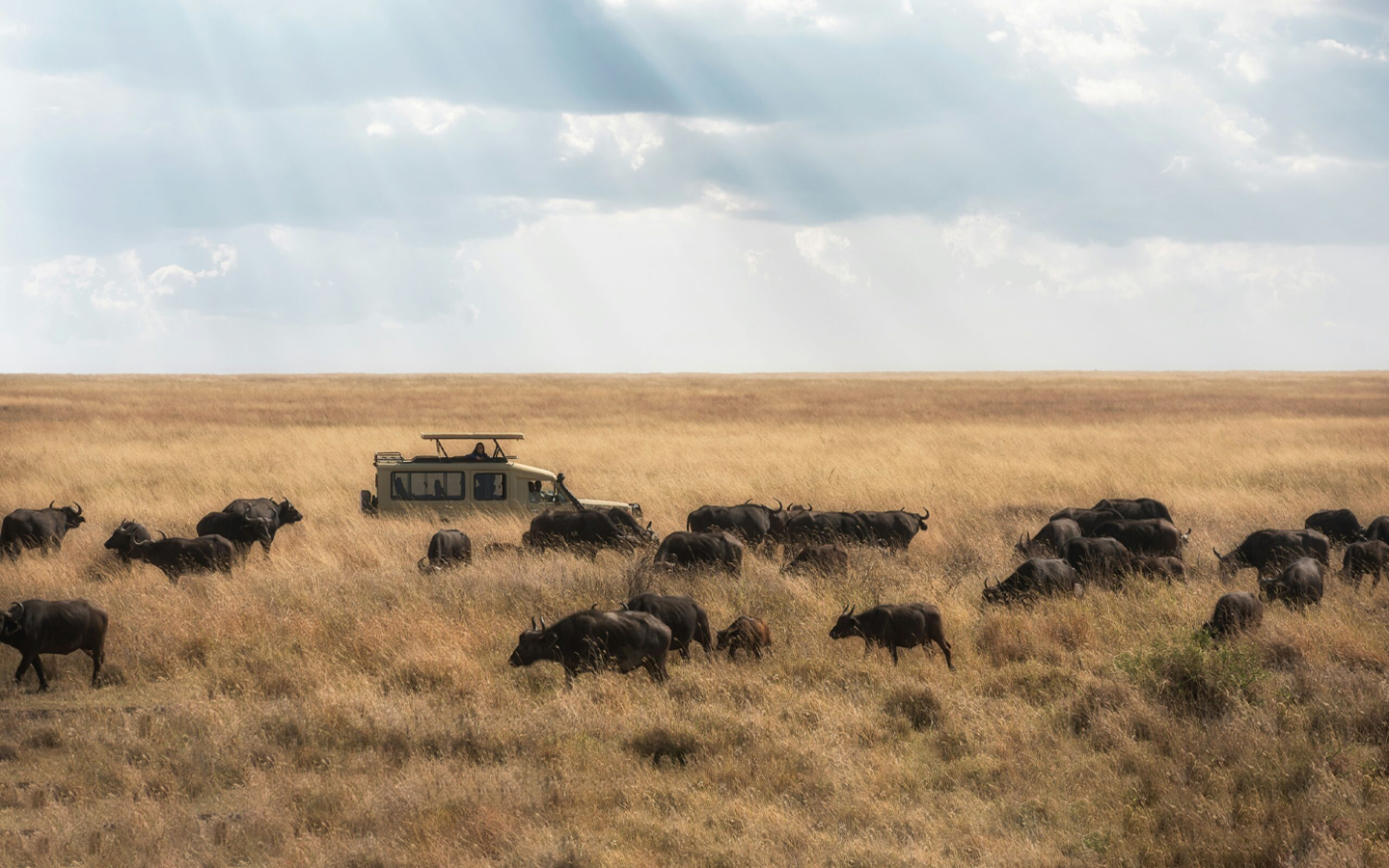
Buffalo: Big herds are commonly seen.
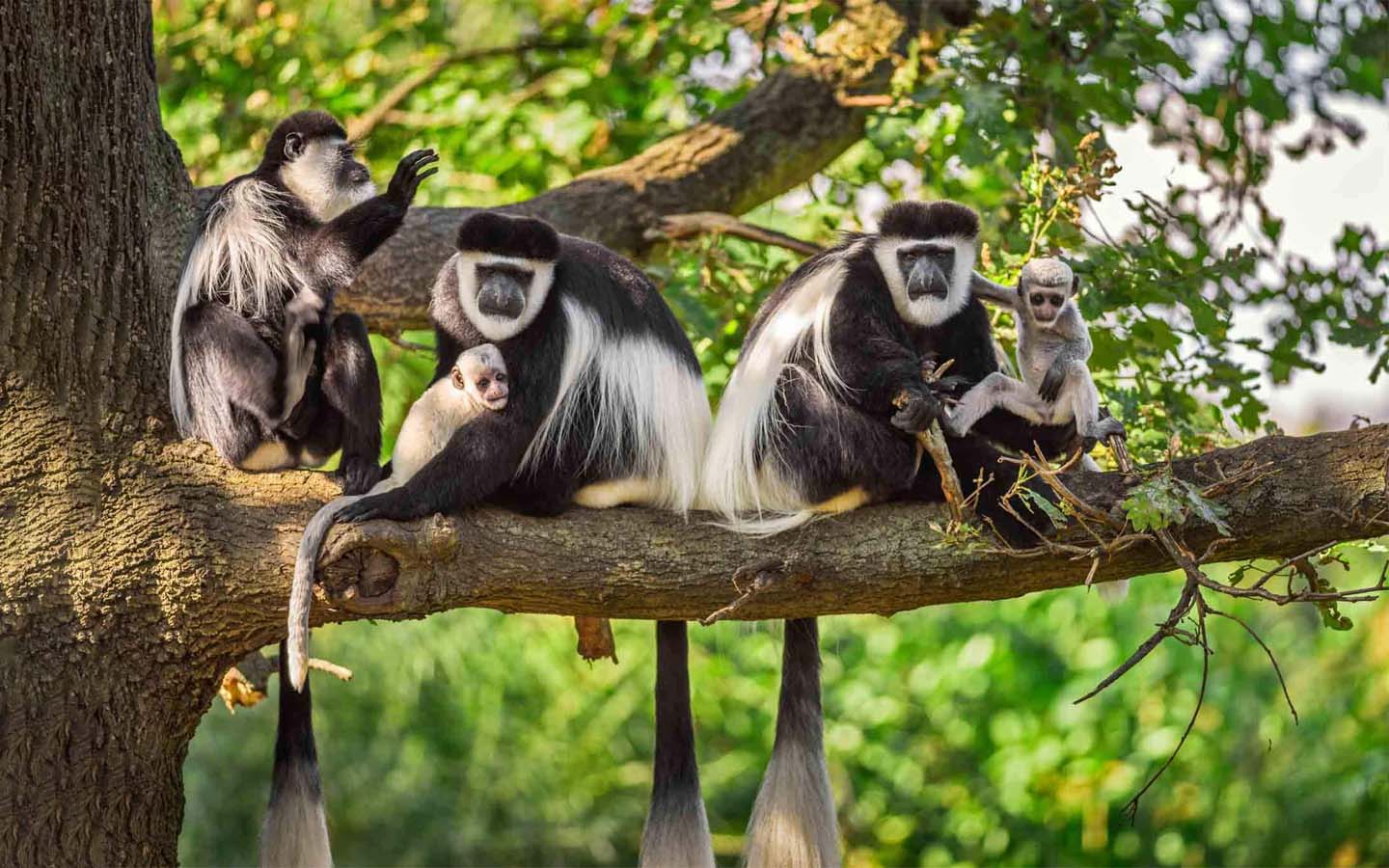
Colobus Monkeys: The park is one of the best places in Tanzania to see the striking black-and-white Angolan colobus monkey, often spotted tumbling through the canopy.
Zebras, Warthogs, and Bushbucks: Abundant on the grasslands.
Birdlife: Over 400 species of birds, from the vibrant turaco to flocks of flamingos on the lakes.