Kilimanjaro National Park

Conquer the Rooftop of Africa

Towering over the Tanzanian plains, Mount Kilimanjaro is not just a mountain; it is an icon of Africa. As the world’s highest free-standing mountain and Africa’s tallest peak, “Kili” represents an ultimate adventure for trekkers from around the globe. Kilimanjaro National Park protects this magnificent giant, offering a unique and challenging experience that is more of a life-changing journey than a simple hike. With Nature Safari, you can answer the call of the summit and stand on the Roof of Africa.

Mount Kilimanjaro is a dormant stratovolcano with three volcanic cones: Kibo (the highest, containing Uhuru Peak), Mawenzi, and Shira. It has been a landmark for centuries, known to local Chagga people and recorded by the ancient Greeks. The first recorded European sighting was by German missionary Johannes Rebmann in 1848.

The mountain itself was formed from volcanic eruptions over a million years ago. While the lower slopes have been inhabited, the upper forest and alpine zones were designated as a game reserve by the German colonial government in the early 20th century. To provide stronger protection for its unique ecosystem, it was established as a national park in 1973.

In 1987, its global significance was recognized when it was declared a UNESCO World Heritage Site for its outstanding natural beauty and ecological importance. The park covers an area of 1,688 square kilometers (652 sq miles), encompassing the mountain above the tree line, as well as six forest corridors that stretch down through the montane forest belt.

The primary draw is, of course, the climb to the summit. However, the park offers more than just the peak.

The Ultimate Challenge: Climbing Kilimanjaro
Reaching Uhuru Peak at 5,895 meters (19,341 feet) is the goal. The climb does not require technical climbing skills, but it is a serious trek that demands excellent physical fitness and mental preparation.

  • Choose Your Route: The route you take defines your experience. Nature Safari specializes in guiding you to the right choice:

    • Machame Route (“Whiskey Route”): Scenic and popular, with higher success rates due to better acclimatization. (6-7 days).

    • Marangu Route (“Coca-Cola Route”): The only route with hut accommodation, but less scenic and with a lower success rate. (5-6 days).

    • Lemosho Route: A longer, more remote, and beautiful approach with a high success rate. (7-8 days).

    • Rongai Route: The only route from the north, drier and less crowded. (6-7 days).

Wildlife and Scenery on the Ascent
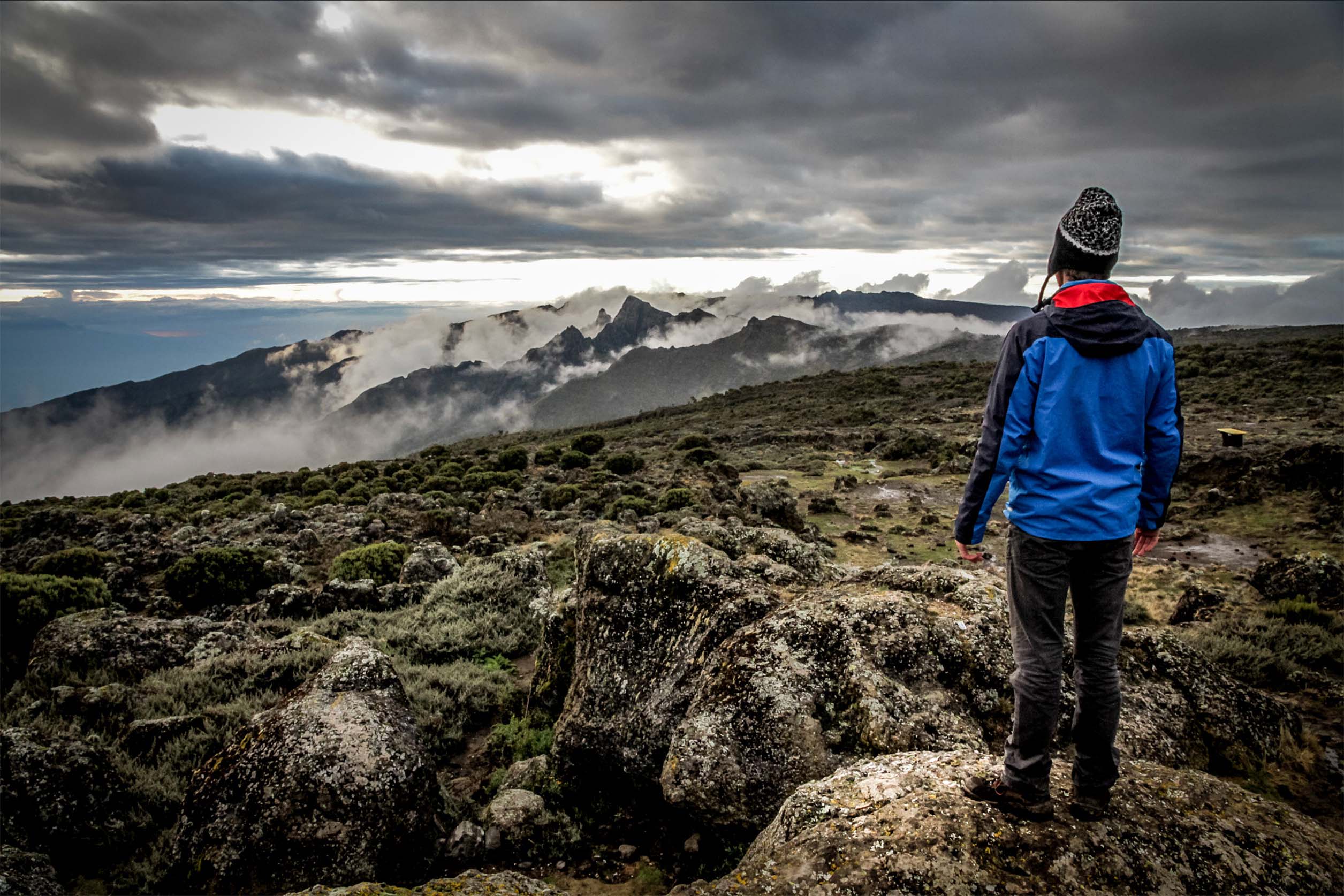
The climb is a journey through five distinct ecological zones:

  1. Cultivated Footlands: Lush farms and villages.

  2. Montane Rainforest: Home to colobus monkeys, blue monkeys, duikers, and rich birdlife.

  3. Heath and Moorland: Characterized by giant lobelias and groundsels.

  4. Alpine Desert: A stark, beautiful landscape with minimal vegetation.

  5. Arctic Summit: Glaciers, ice fields, and volcanic rock at the top.

Other Key Activities:

  • Day Hikes: For those not summiting, shorter hikes on the mountain’s lower slopes, like the Shira Plateau, offer a taste of Kilimanjaro’s beauty.

  • Cultural Tours: Visit a local Chagga village to learn about the culture and history of the people who have lived in Kilimanjaro’s shadow for generations.

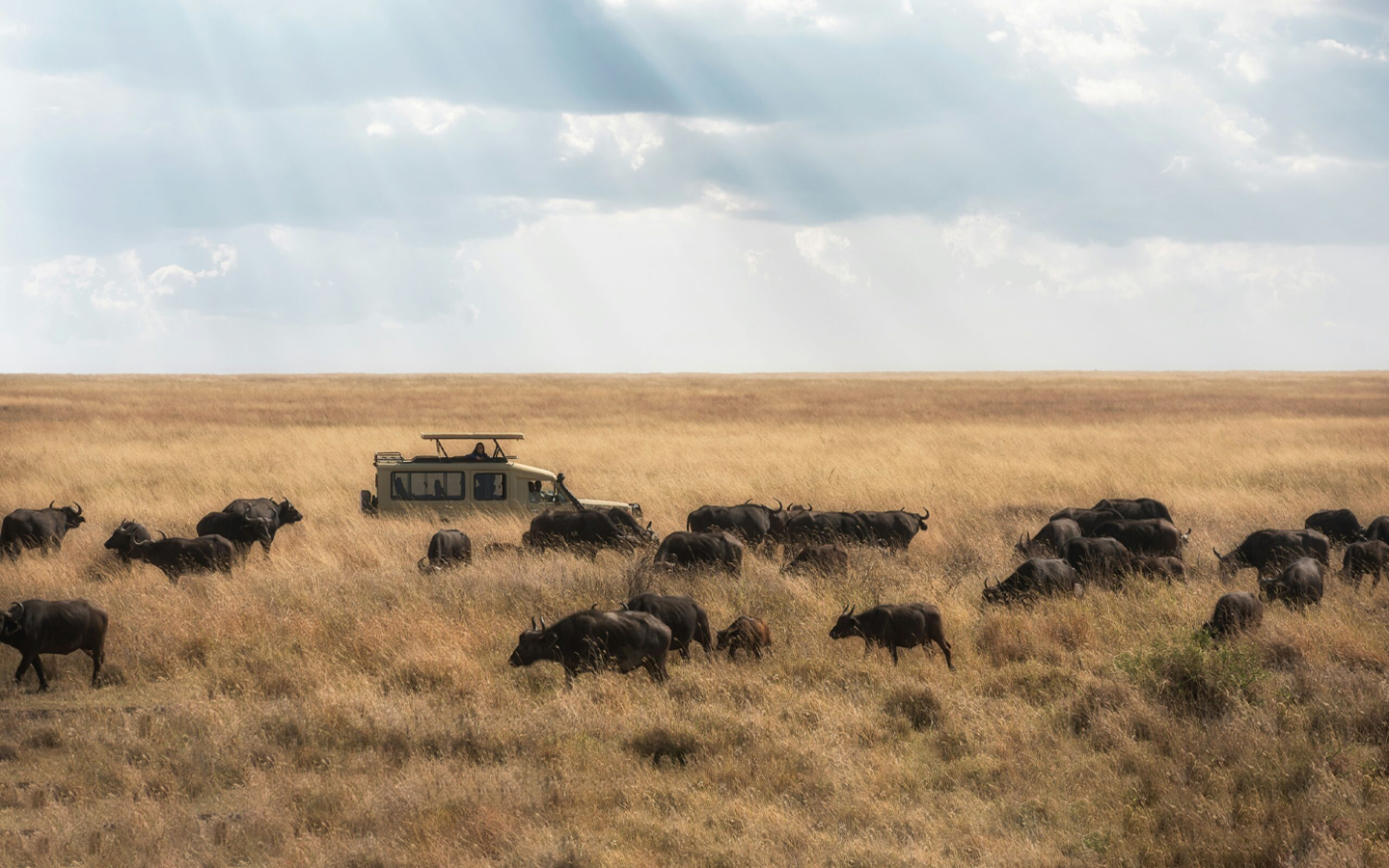
  • Combine with a Safari: The perfect complement to your climb is a wildlife safari in nearby Serengeti, Ngorongoro Crater, or Tarangire National Park.
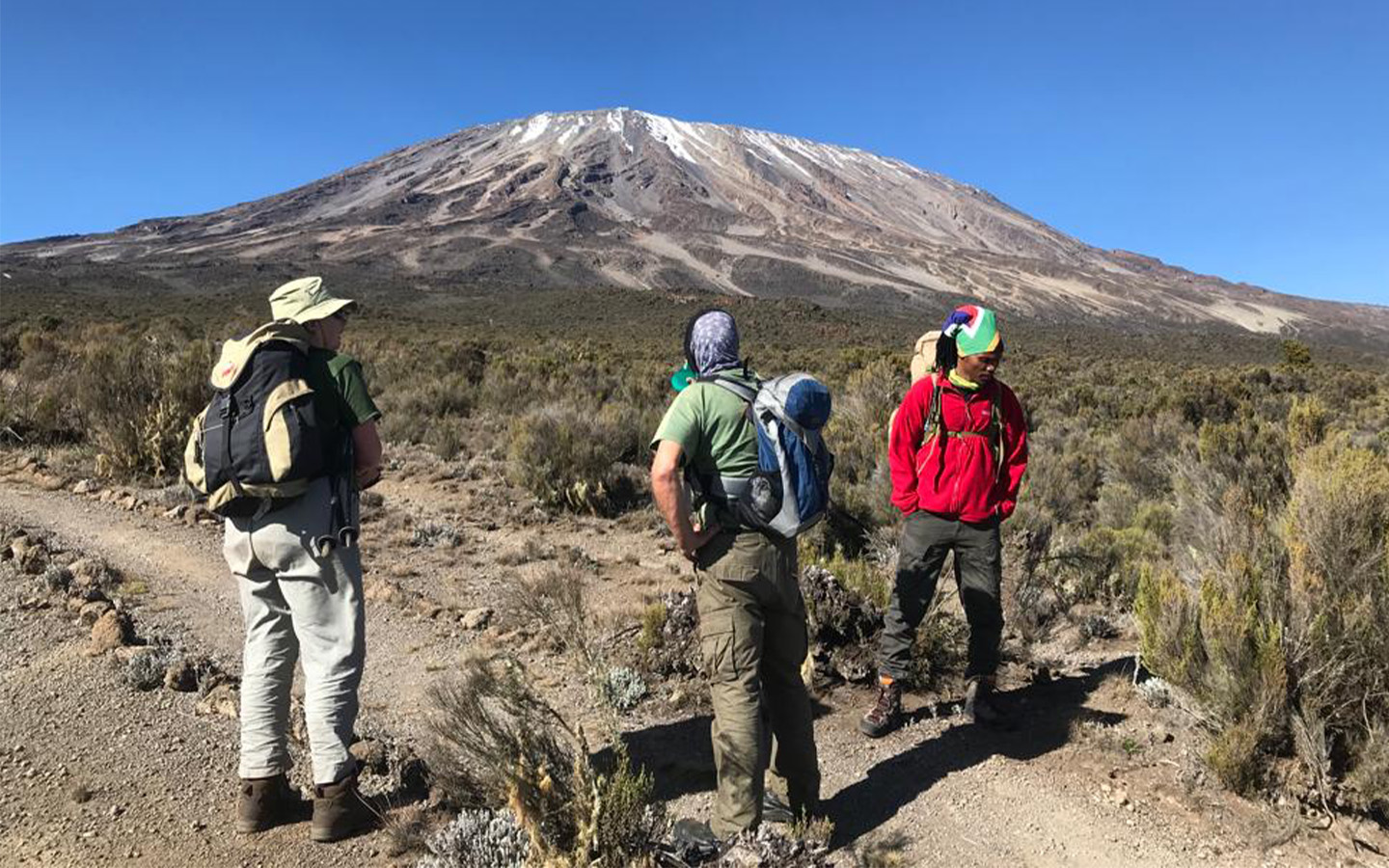
  • The Highest in Africa: At 5,895 m (19,341 ft), Uhuru Peak is the highest point on the African continent.

  • World’s Tallest Free-Standing Mountain: Kilimanjaro is not part of a mountain range; it rises independently from the surrounding plains, making its prominence all the more dramatic.

  • A Snow-Capped Peak on the Equator: The iconic glaciers and snow caps are a stunning contrast to the African savannah below, though they are sadly receding due to climate change.

  • Every Climber’s Mountain: It is one of the Seven Summits (the highest peaks on each continent) and is considered the most accessible, as it is a trekking peak, not a technical climb.

  • The Meaning of “Kilimanjaro”: The origin is uncertain, but many believe it comes from the Swahili and Chagga words, meaning “Mountain of Whiteness” or “Shining Mountain.”

  • A Dormant, Not Extinct, Volcano: The last major eruption was estimated 360,000 years ago, but fumarolic activity in the crater still emits gas.

Best Time to Climb:

  • The clearest and warmest conditions are during the dry seasons:

    • January to mid-March

    • June to October

  • The shoulder seasons (April-May and November) are wetter and cloudier but less crowded.


Photo Gallery

Other Iconic Destinations