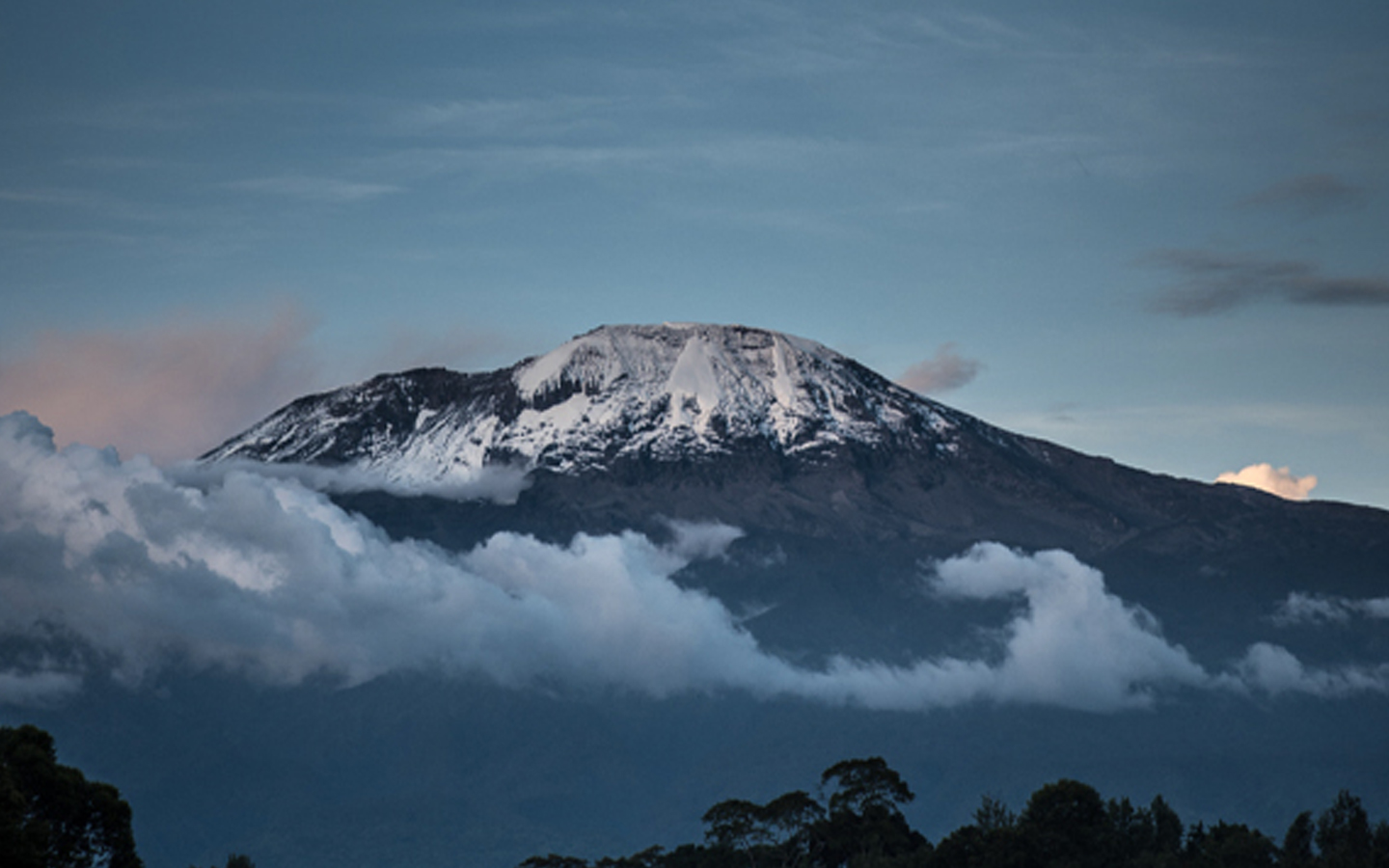
The story of Ngorongoro begins millions of years ago with a giant volcano, believed to have been taller than Kilimanjaro. Between 2 and 3 million years ago, this volcano erupted in a cataclysmic event, collapsing in on itself to form the caldera we see today.
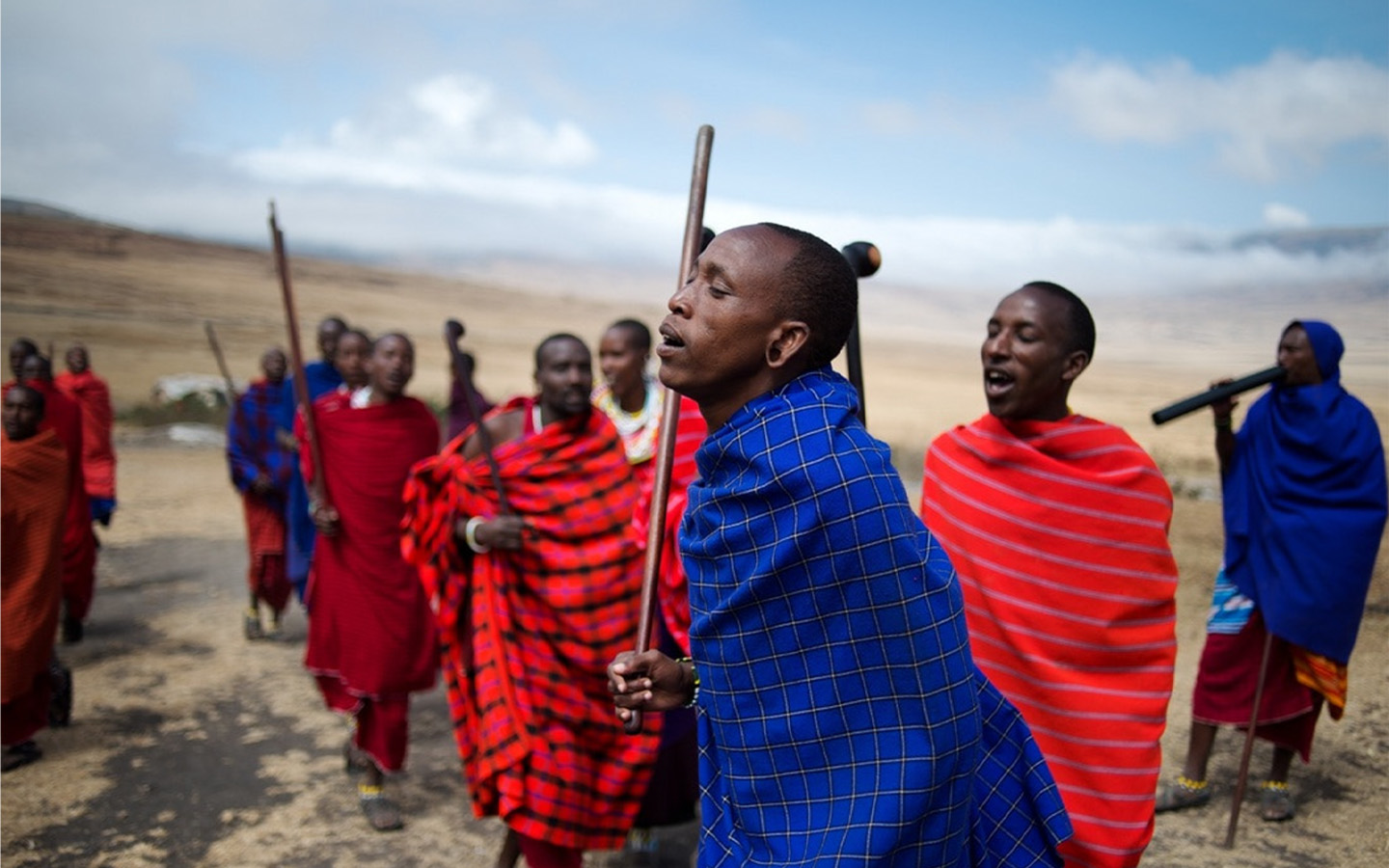
While the Serengeti became a National Park, Ngorongoro’s history took a different path. In 1959, it was designated as the Ngorongoro Conservation Area (NCA). This unique status was a pioneering model for multiple land use, designed to protect the incredible wildlife while safeguarding the rights of the indigenous Maasai people, who are permitted to live and graze their livestock within the NCA (though not to cultivate the land). This creates a unique cultural landscape where you might see a Maasai herdsman in traditional red shuka (cloth) watching over his cattle against the same backdrop as lions and wildebeest.
In 1979, it was declared a UNESCO World Heritage Site for its outstanding natural value, and later, in 2010, it was recognized as a UNESCO Cultural Heritage Site for its significant ongoing human evolution and pastoralist traditions.
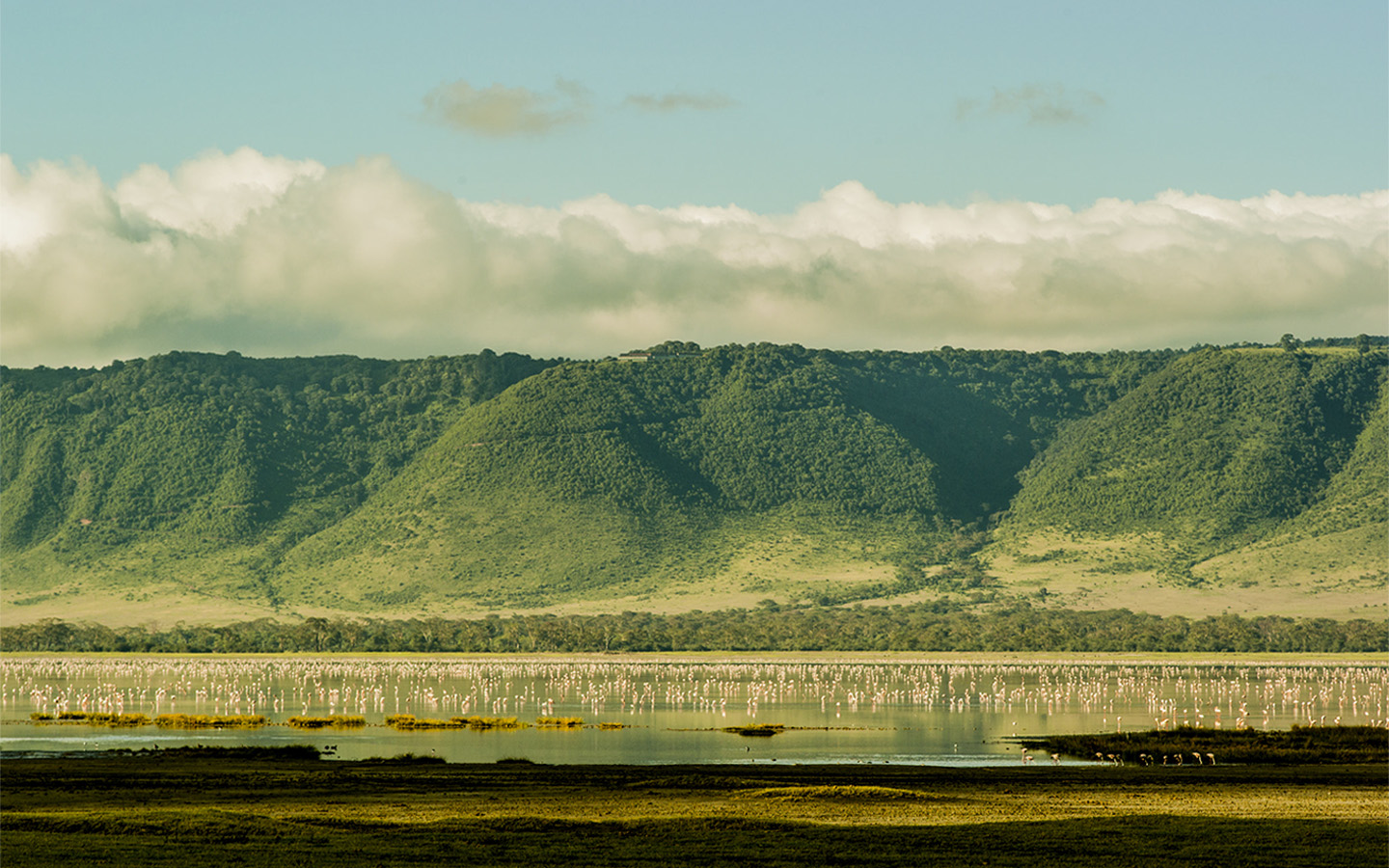
The crater itself is immense: 19km (12 miles) across, with a floor covering 260 sq km (100 sq miles), and its walls rise 600 meters (2,000 feet) from the floor, creating a natural enclosure for an astonishing density of animals.
A descent into the crater floor is like traveling back in time to a primeval world. The concentration of wildlife here is unparalleled.
The Big Five in One Day
The Ngorongoro Crater is one of the few places in Africa where you have a very high probability of seeing all members of the Big Five in a single game drive.
Black Rhino: This is one of the best places in Tanzania to see the critically endangered Black Rhino. The crater population is monitored and protected, making sightings relatively frequent.
Lion: The crater’s lions are famous, often characterized by large, dark manes. The pride structures are unique due to the enclosed nature of the crater.
Elephant: You’ll see large-tusked bull elephants, as the thicker vegetation in the crater suits them better than breeding herds.
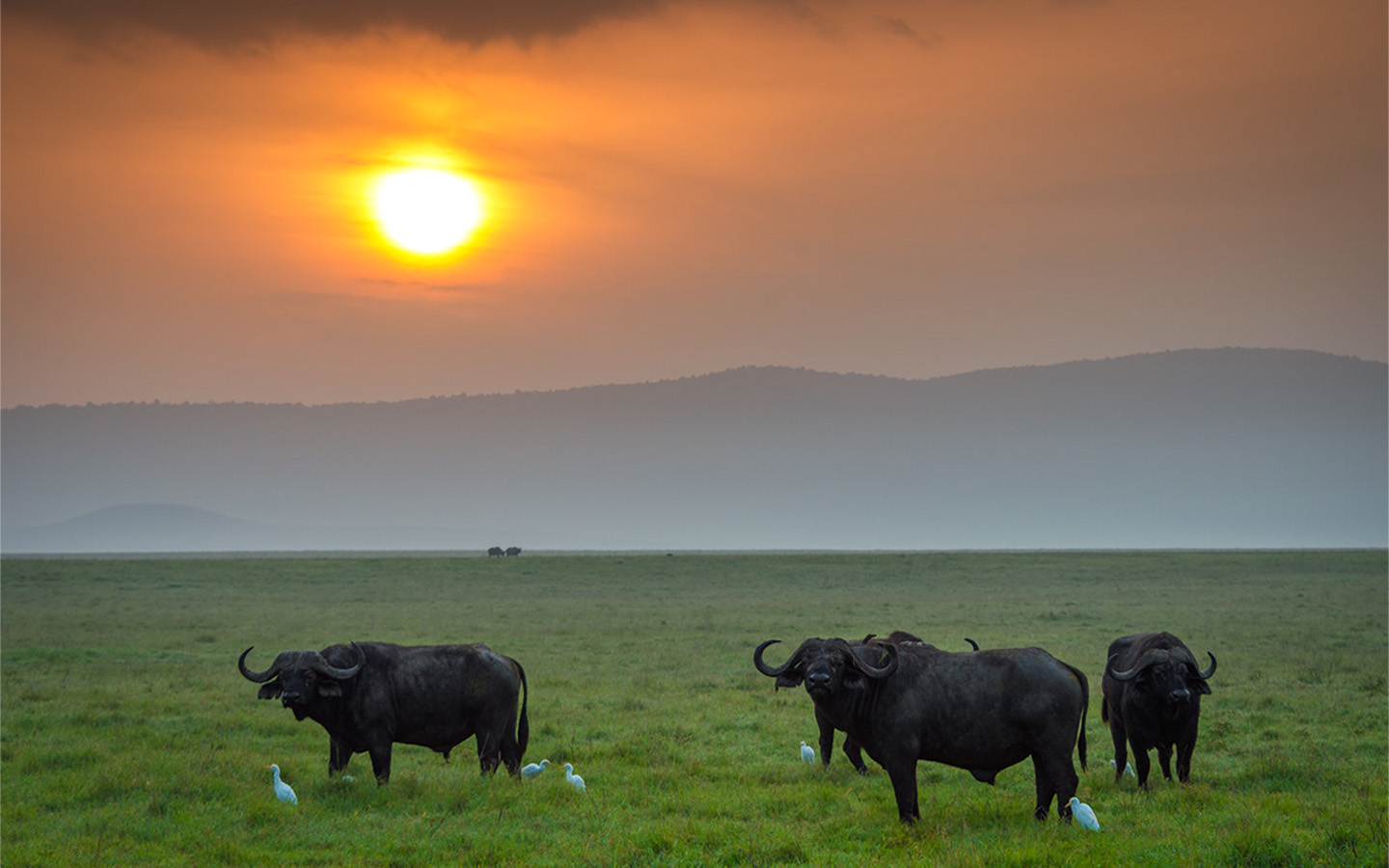
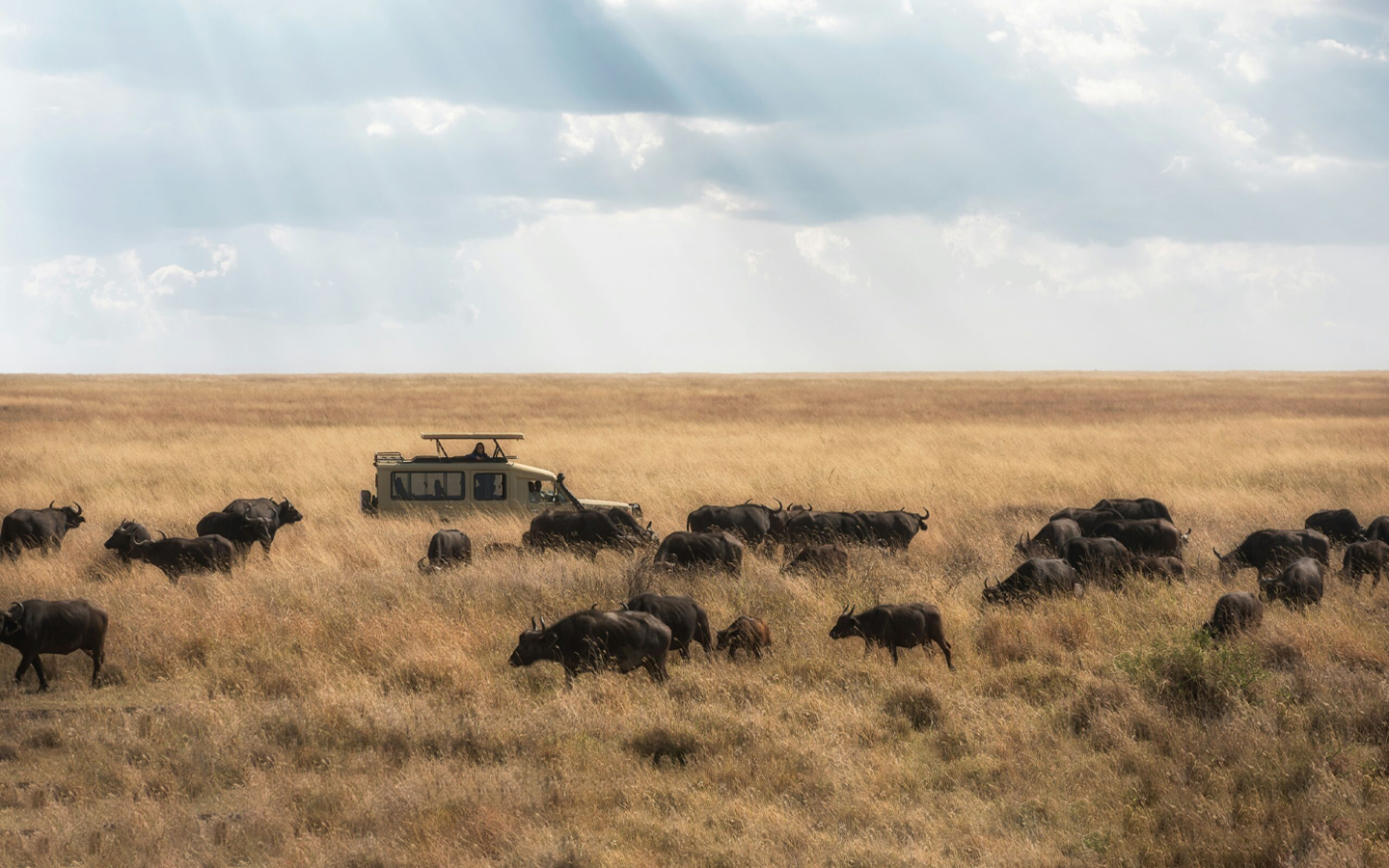
Buffalo: Massive herds of buffalo, often covered in mud, graze on the crater floor.
Leopard: While more elusive than the other four, leopards are present in the forested crater rim and the Lerai Forest on the floor.
Other Key Wildlife and Sights:
Hippos: The permanent freshwater pools and marshes are home to large, noisy pods of hippos.
Flamingos: Lake Magadi, a shallow soda lake on the crater floor, is often tinged pink with thousands of lesser flamingos.
The Lerai Forest: A beautiful yellow-barked acacia forest that is a favorite spot for elephants and leopards.
Ngoitokitok Spring: A lovely picnic spot with hippo pools—a great place to stretch your legs and enjoy the scenery.
Key Activities:
Crater Floor Game Drive: The main event. Spend a full morning descending into the crater for an unforgettable wildlife spectacle.
Visit a Maasai Boma: Experience authentic Maasai culture by visiting a traditional homestead on the crater rim. Learn about their way of life, crafts, and dances.
Walk along the Crater Rim: Take a guided walk along the rim for spectacular panoramic views down into the crater and across the highlands.
Visit Olduvai Gorge: Often called the ‘Cradle of Mankind,’ this important archaeological site just outside the NCA is where the Leakeys discovered the earliest human fossils.