The history of the Serengeti is as rich as its ecosystems. For centuries, the Maasai people grazed their cattle on these sprawling grasslands, naming it “Siringet” – “the place where the land runs on forever.” The area’s modern conservation story began in the 1920s when it was established as a game reserve by the British.
Recognizing its unparalleled ecological value, it was formally gazetted as a national park in 1951. The pioneering work of conservationists like Bernhard and Michael Grzimek, captured in their book and film “Serengeti Shall Not Die,” brought international attention to the park and was instrumental in defining its boundaries and protecting the Great Migration routes.
Today, the Serengeti National Park is the centerpiece of the larger Serengeti Ecosystem, which includes adjacent reserves like the Ngorongoro Conservation Area and Kenya’s Maasai Mara. Spanning over 14,750 square kilometers (5,700 sq miles), its landscape is not just flat grassland; it’s a diverse tapestry of riverine forests, savannahs, kopjes (ancient granite rock formations), and woodlands.
A safari in the Serengeti is a journey of a lifetime, offering a myriad of experiences.
The Great Wildebeest Migration
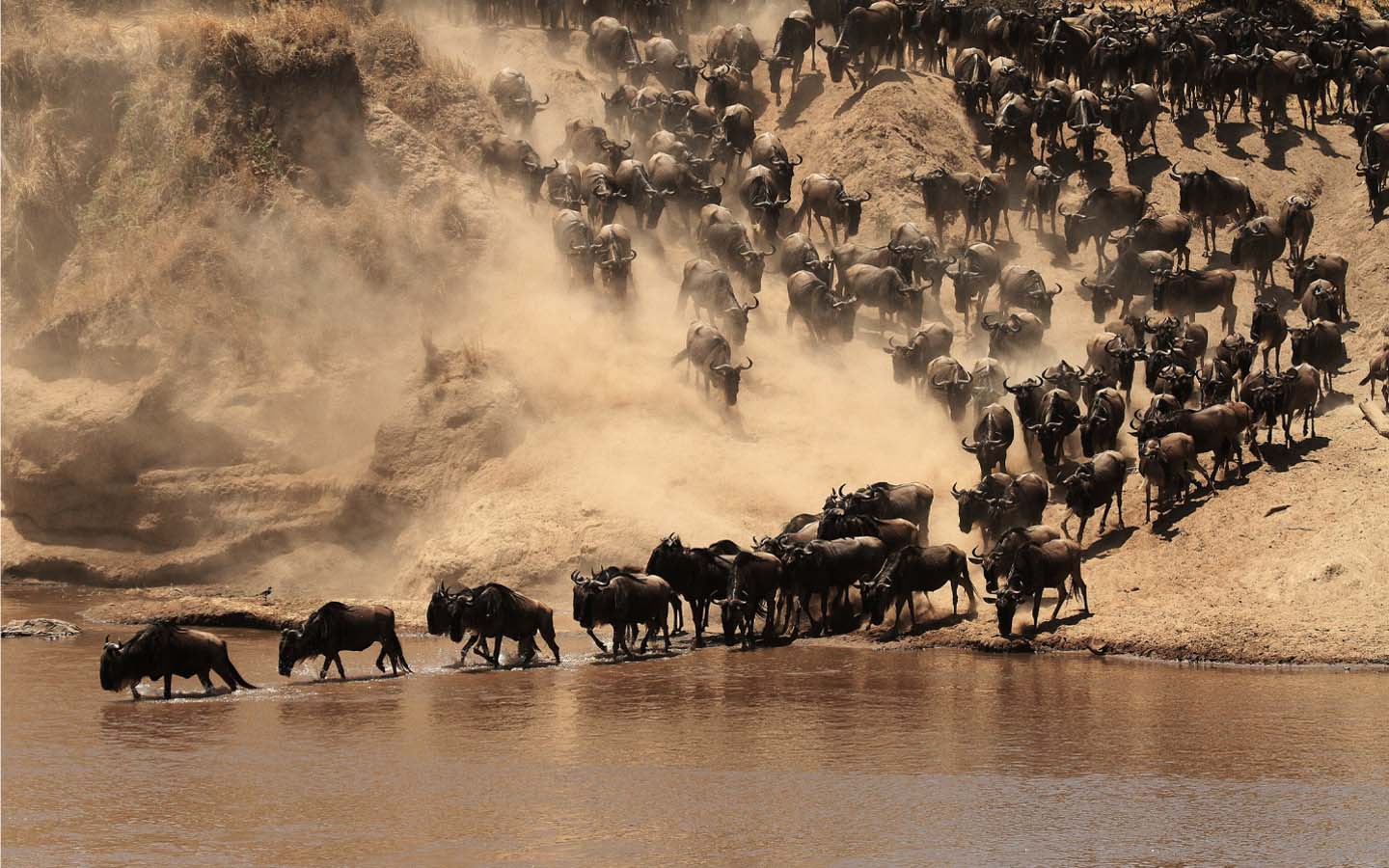
This is the planet’s greatest wildlife show. Witness over 1.5 million wildebeest, joined by hundreds of thousands of zebras and gazelles, on their perpetual, perilous journey in search of fresh grazing.
River Crossings (Jul-Oct): The most dramatic event. See herds brave the crocodile-infested Grumeti and Mara Rivers in a breathtaking struggle for survival.
Calving Season (Jan-Mar): In the Southern Serengeti, witness thousands of wildebeest calves being born, attracting a host of predators.
The Big Five and Beyond
The Serengeti is one of the best places on Earth to spot the Big Five:
Lion: Prides are commonly seen resting on kopjes or hunting.
Leopard: Look for these elusive cats draped over tree branches in the Seronera River Valley.
Elephant: Herds roam the woodlands and marshes.
Buffalo: Massive herds graze across the plains.
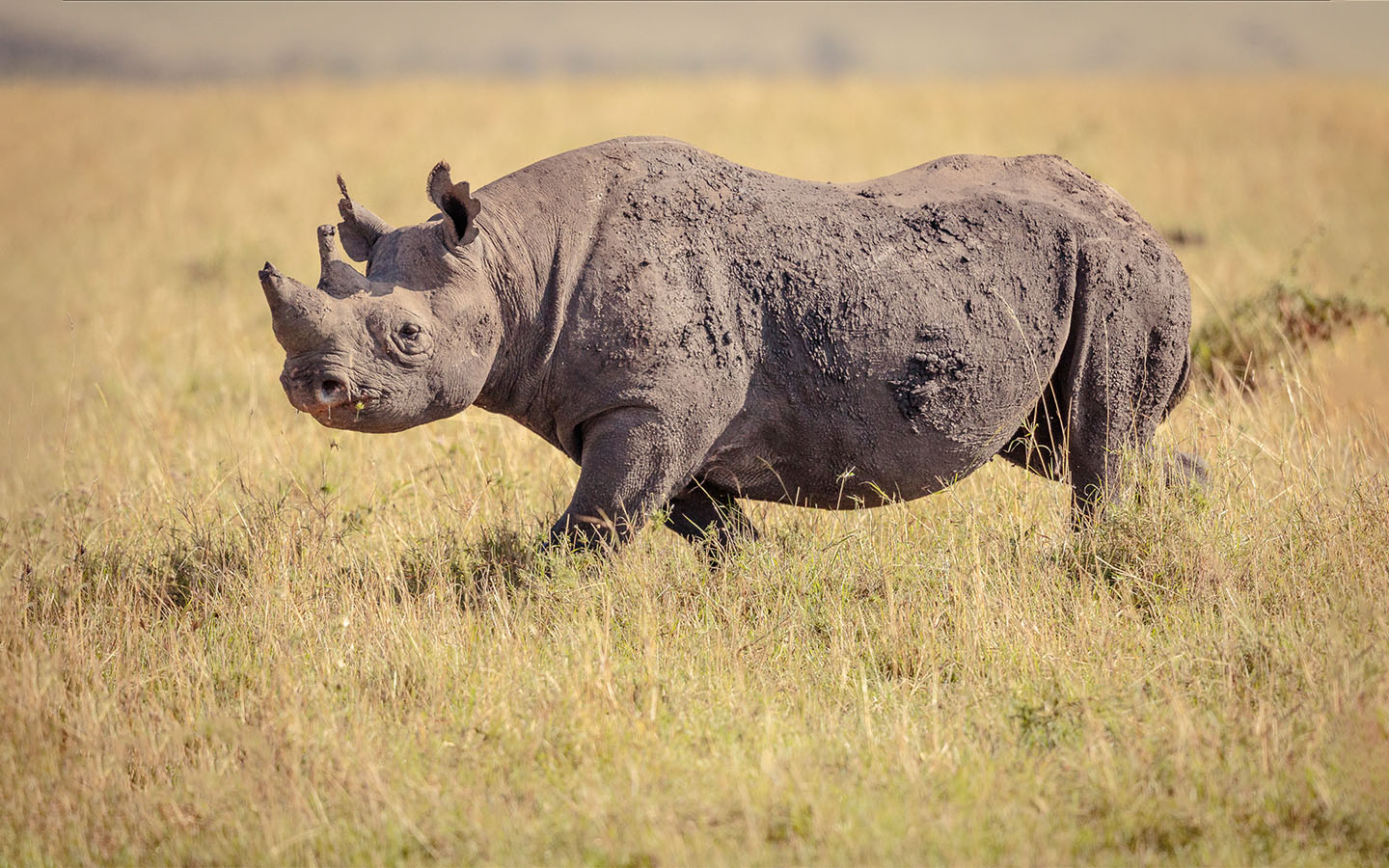
Black Rhino: A rare and endangered sight, but sometimes spotted in the Moru Kopjes area.
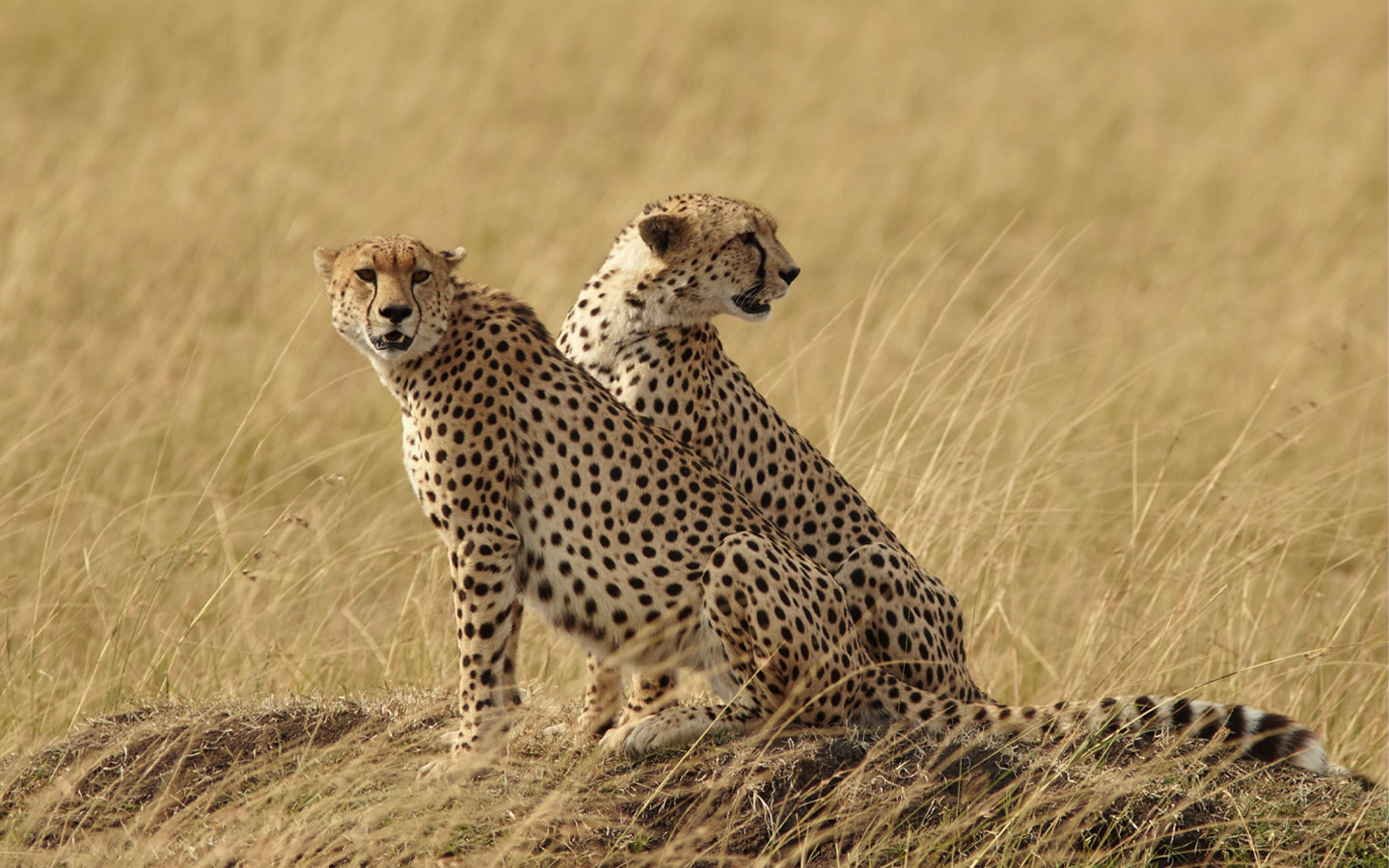
Beyond the Big Five, look out for cheetahs, hyenas, giraffes, hippos, crocodiles, and over 500 species of birds.
Key Activities:
Game Drives: The quintessential safari experience, available as morning, afternoon, or full-day drives.
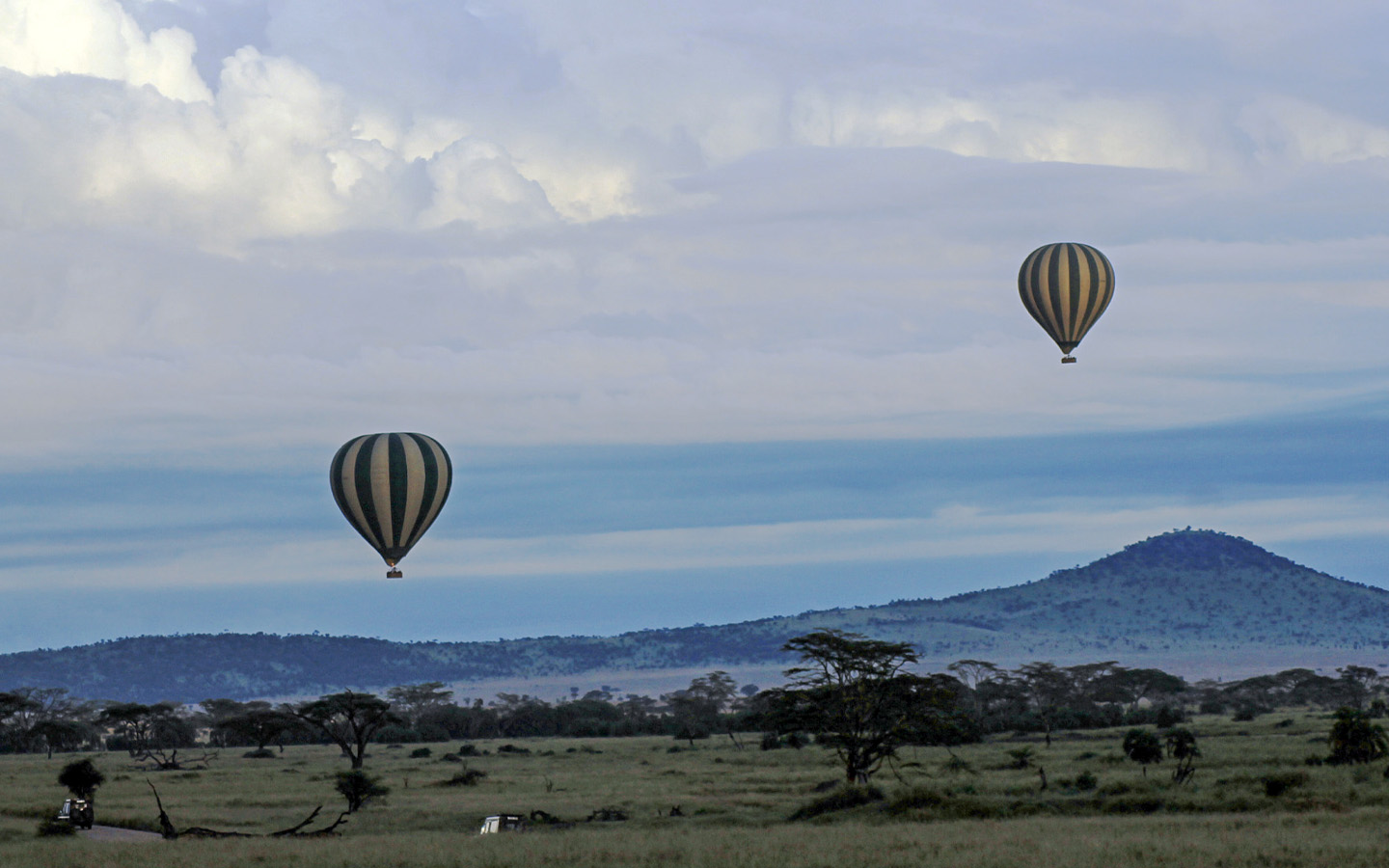
Hot Air Balloon Safari: For a truly unforgettable perspective, float silently over the plains at sunrise and witness the wildlife below.
Walking Safaris: Explore the smaller details of the ecosystem—tracks, plants, and insects—with an armed guide.
Cultural Visits: Visit a Maasai village on the park’s periphery to learn about their rich culture and traditions.